Biohazard Cleanup
Safe, careful removal of bodily fluids and other infectious material, finished with hospital-grade disinfection.
Learn more →Utah · Washington County
Need biohazard cleanup in St. George, UT? Call (877) 812-4220 any hour and get local biohazard cleaners for crime scene cleanup, unattended death cleanup, trauma scene cleanup, blood and bodily fluid cleanup, hoarding cleanup and sewage cleanup across Washington County.
If anyone is in danger, call 911 first. For a suicide crisis, call or text 988.
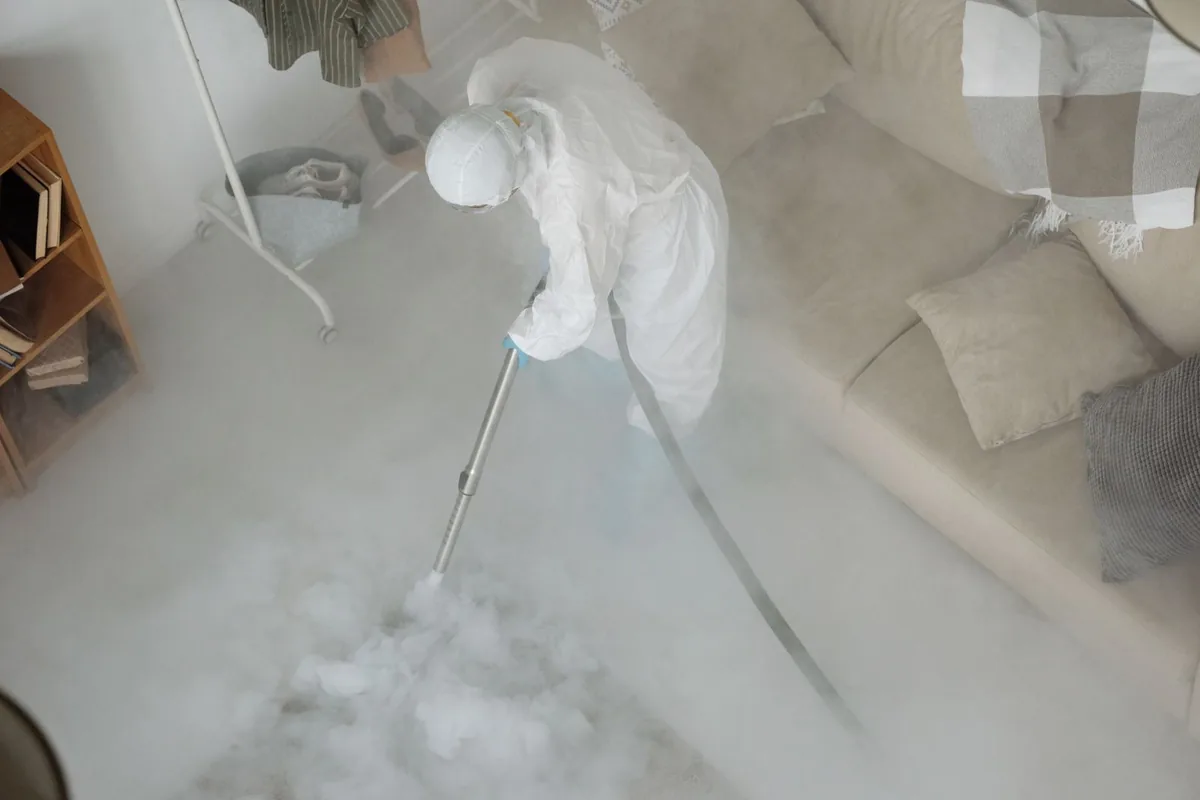
Biohazard removal means taking out the materials that carry germs and then treating what is left so the space is safe again. In St. George, UT, property owners, landlords, families and businesses can get this work done by calling St. George Biohazard Cleanup Help.
Discretion is part of the work. Vehicles are unmarked, the crew keeps its voice down and nothing about the job is shared with neighbors. Coverage includes St. George, St. George and the surrounding area of Washington County.
Only about 11% of homes in St. George were built before 1980, so most cleanups involve newer drywall and flooring, though fluids can still soak through to the subfloor. Around 33% of households in St. George rent. Renters should tell the landlord and the renters insurer right away, since a policy may cover belongings but usually not the building.
Safety comes first on every job. You get crews that follow OSHA bloodborne pathogen protocols, wear full protective equipment and seal off the contaminated space, since hepatitis B, hepatitis C and HIV are all risks around untreated blood.
Products matter because a mild cleaner will not kill bloodborne germs. Biohazard cleaners use EPA-registered, hospital-grade disinfectants, follow the label for contact time and pair them with air treatment for lingering odor.
Below are the cleanup services you can get in St. George, grouped by what happened: death and trauma, waste and hoarding, disease and drugs, and property cleanouts.
Safe, careful removal of bodily fluids and other infectious material, finished with hospital-grade disinfection.
Learn more →Cleanup after violent crimes, break-ins and assaults, using protective gear and EPA-registered disinfectants.
Learn more →Contaminated carpet, drywall and debris removed, with every affected surface disinfected and inspected.
Learn more →Removal of soaked materials, safe waste hauling and deodorizing after a delayed discovery.
Learn more →Compassionate cleaning after a loss, with keepsakes set aside and the room returned safe.
Learn more →Murder scene cleanup for homes, rentals, businesses and vehicles, handled privately with protective gear.
Learn more →Blood in cars, vans and rideshare vehicles cleaned from seats, mats and panels, then disinfected.
Learn more →Bodily fluid clean up with protective gear, EPA-registered disinfectants and sealed disposal of contaminated materials.
Learn more →Waste cleanup after neglect, illness or a long absence, handled privately and without judgment.
Learn more →Thorough deodorizing after a death, with the air and structure checked room by room.
Learn more →Safe pathways, careful sorting and deep cleaning for homes with heavy buildup of belongings.
Learn more →Hoarding junk removal that protects valuables and papers before anything leaves the home.
Learn more →Respectful animal hoarder cleanup for owners, landlords and families, done step by step.
Learn more →Filth cleanup for kitchens, bathrooms and living areas, with odor treated at its source.
Learn more →Sewage restoration that clears contamination and odor so repairs can safely begin.
Learn more →Emergency disinfection after contagious illness, with soft items treated or removed and the space checked.
Learn more →Surfaces cleaned, disinfected and checked so a contaminated room or vehicle is safe to use again.
Learn more →Safe collection of used needles, syringes and contaminated supplies, with proper containers and transport.
Learn more →Sharps cleanup with protective gear, puncture-resistant containers and proper medical waste disposal.
Learn more →Discreet drug residue cleanup for rentals, homes, hotels and businesses, with protective gear throughout.
Learn more →Clear steps for owners who suspect meth contamination, from first sample to final report.
Learn more →Decontamination for rentals, motels, offices and vehicles after drug incidents and responder visits.
Learn more →Safe removal of solvents, fuels, pesticides, mercury and unlabeled containers from homes and businesses.
Learn more →Fuel, solvent and chemical spill cleanup for homes, farms, shops and fleet yards.
Learn more →Irritant residue removed from walls, floors, fabrics and vents after tear gas or pepper spray is released.
Learn more →Rodent infestation cleanup after pest control, with odor removal and sanitizing of the affected area.
Learn more →Pigeon and bird droppings cleanup on ledges, balconies, warehouses and storefronts.
Learn more →Dead animal odor removal that targets the source of the smell, not just the air.
Learn more →Hazmat car cleaning with protective gear, EPA-registered disinfectants and sealed disposal of contaminated parts.
Learn more →Discreet blood cleanup after an accident, so the space can reopen safely.
Learn more →Discreet after-hours service with unmarked vehicles, sealed work areas and regulated waste hauling.
Learn more →Sorting, removal and cleaning of a loved one's home, with keepsakes set aside for the family.
Learn more →A cleanup specialist asks what happened, who is safe and whether police or an investigator have released the scene. The answers decide how the job is planned.
Doors are closed off, air handling is controlled and the work zone is marked. Family members, pets and neighbors stay clear.
Porous materials are removed, surfaces are scrubbed and disinfected, and tools are cleaned between steps so germs are not carried to other rooms.
When the job is done, the family receives the paperwork they need for claims and a clear description of what was removed and treated.
Cleanup covers houses, apartments, rentals, offices, churches, shops and cars or trucks, with plans that fit each type of property.
A cleanup specialist explains the steps, the likely cost range and what the property owner needs to do next, in everyday words.
One biohazard cleanup company covers removal, disinfection, odor removal and damaged materials, so the family can step back.
Calls are answered day and night. Crews arrive in unmarked vehicles and work quietly, so neighbors are not told what happened.
Biohazard cleanup in St. George, UT typically costs $500 to $25,000, depending on the type of biohazard, the size of the affected area and how far fluids soaked into porous materials.
Most residential jobs cost $3,000 to $5,000 (Fixr). Costs for hoarding, sewage and drug residue differ from death cleanup because each involves different hazards, testing needs and disposal. A fair estimate always starts with an on-site look.
| Type of job | Typical range |
|---|---|
| Blood spill cleanup, small area | $500 - $2,500 |
| Crime scene cleanup, most homes | $1,500 - $7,500 |
| Unattended death cleanup | $2,000 - $7,000 |
| Suicide cleanup | $1,500 - $5,500 |
| Sewage cleanup, most homes | $2,000 - $10,000 |
| Hoarding cleanup, level 3 home | $2,000 - $5,000 |
| Meth lab cleanup, typical | $15,000 - $20,000 |
Estimates only, not a quote. Sources: Fixr, Yelp Costs, BioCleaners Directory, PushLeads, Dropcurb, Bob Vila and cleanup company cost guides. Call (877) 812-4220 to talk through the job.
About 11% of homes in St. George were built before 1980, and older carpet, subfloor and trim hold fluids deeper, which can mean more material to remove.
Offices, shops, churches and other public spaces may need cleanup after an injury, illness outbreak or break-in. The work is planned around staff, customers and reopening dates.
Hoarder homes can hide rotting food, animal waste, mold and pests, along with fire and structural hazards. Hoarding cleanup sorts belongings and restores a livable condition.
Falls, power tool injuries, farm and industrial accidents and car crashes can leave blood and tissue behind. Accident scene cleanup removes the trace so the space can be used again.
Families should never have to clean up after a suicide. Discreet suicide cleanup removes all traces with care and respect. Crisis support is available any time at 988.
Attics, barns and sheds can hold droppings, guano and carcasses that carry disease. Careful removal and disinfection protect the people who go back in.
Understanding the type and size of a biohazard helps owners know what to expect. Small, contained jobs move fast, while large or hidden contamination takes longer and calls for more removal.
The lease and local law decide, but landlords commonly get biohazard cleanup done for the building. A renters insurance policy may cover the tenant's belongings. Talk to the landlord and your insurer early.
Describe what happened, where it is, how big the area is and whether police have released the scene. Mention any insurance claim, pets, valuables or access issues. The more detail you share, the clearer the plan and cost range can be.
Biohazard cleanup is the removal, cleaning and disinfection of anything that can spread disease: blood, bodily fluids, tissue, decomposition, human and animal waste, raw sewage, sharps and drug residue. It covers crime scene cleanup, unattended death cleanup, trauma scene cleanup, suicide cleanup, hoarding cleanup and infectious disease disinfection.
Only what cannot be made safe. Porous items such as carpet, padding, mattresses and upholstered furniture that soaked up fluids are usually removed. Hard surfaces and many belongings can be cleaned and disinfected instead.
Funeral homes and the authorities remove the person. Biohazard cleaners, also called crime scene cleaners or trauma cleanup crews, clean the property afterwards, including fluids, affected materials and odor.
The cost depends on the type of contamination, the size of the area, how many porous materials must be removed, odor treatment and waste disposal. A small spill costs far less than an unattended death or a hoarded home. The cleanup team explains the cost range after hearing the details.
Yes. Vacant properties, at 15% of housing in St. George, can collect animal waste, drug paraphernalia, sewage and storm damage. Owners should treat what they find as a hazard and call for cleanup instead of clearing it themselves.
Heat speeds decomposition. With an average July high of 102 degrees in St. George, fluids and odor can spread faster, so the sooner the scene is released and cleaned the better.
Crews also work near St. George, in places such as Santa Clara, Washington and St. George. Biohazard cleanup, crime scene cleaning and death cleanup are available across Washington County.
Ask about the steps, the cost range and insurance before anything starts.
Call (877) 812-4220